

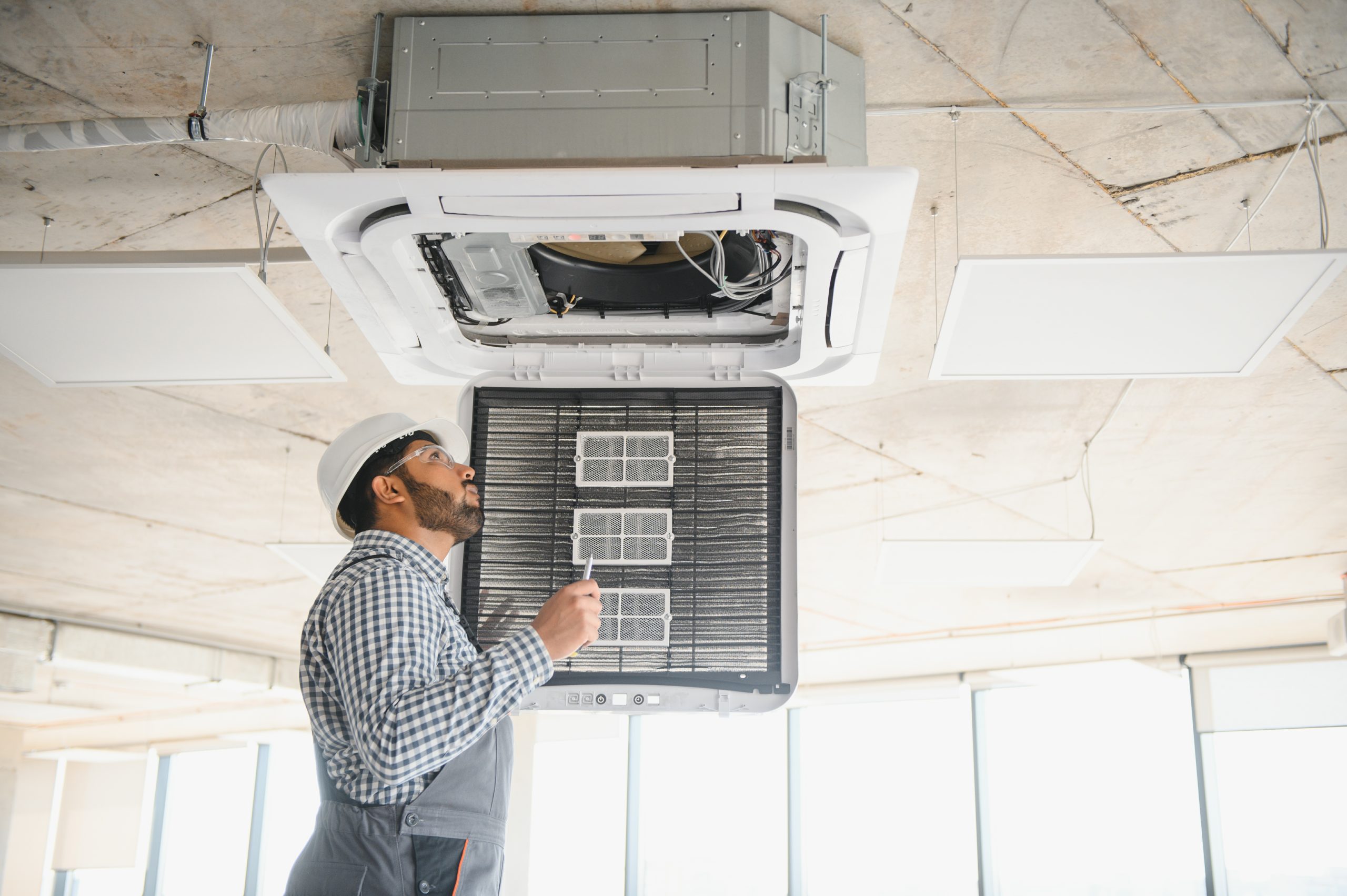
High-Rise HVAC Maintenance
A single hot-spot complaint on the 25th floor is not just a thermostat issue. In a Houston high-rise, inconsistent temperatures can signal systemic stress, energy waste, airflow imbalance, and potential equipment failure.
Ignoring these warning signs can impact tenant comfort, operating costs, and commercial indoor air quality in Houston.
High-Rise HVAC: Key Takeaways
Vertical Buildings Behave Differently Air pressure, stack effect, and floor-by-floor load changes create unique HVAC challenges.
Reactive Repairs Cost More Waiting for failures leads to downtime, tenant complaints, and higher emergency repair costs.
Proactive Maintenance Protects Assets Scheduled inspections and system tuning improve comfort, efficiency, and equipment lifespan.
Why Is High-Rise HVAC Maintenance Fundamentally Different?
High-rise HVAC maintenance requires a specialized approach because vertical airflow, equipment access, and changing occupancy loads create challenges that standard low-rise maintenance plans do not address.
Vertical Airflow and Stack Effect
The stack effect is the natural movement of air through a building caused by temperature differences between inside and outside air. In Houston summers, hot air rises and can pull humid outdoor air into lower levels, creating pressure imbalances and comfort issues.
Equipment Accessibility and Safety
High-rise equipment is often located on rooftops, in mechanical rooms, or on intermediate floors with limited access. Even routine service can require careful planning, safety protocols, and coordination to avoid tenant disruption.
Dynamic Load Balancing Across Floors
Every floor has different heating and cooling demands based on sun exposure, tenant density, equipment loads, and occupancy schedules. Without proper balancing, systems work harder than necessary and comfort complaints increase.
Did You Know?
Persistent hot and cold spots are often symptoms of larger system-wide issues, not isolated thermostat problems. A proactive maintenance plan helps identify the root cause before it becomes a building-wide issue.
How a Proactive HVAC Service Agreement Solves These Challenges
A proactive HVAC service agreement creates a structured plan for scheduled inspections, performance tuning, predictive maintenance, and rapid response. Instead of waiting for equipment to fail, the system is reviewed and optimized before small issues become major disruptions.
| Feature | Standard Break-Fix Approach | Lange Mechanical Proactive Service Agreement |
|---|---|---|
| Cost Structure | Unpredictable emergency expenses | Predictable, budgeted operational expense |
| System Downtime | Failures often happen at peak demand | Issues are identified before major failure |
| Energy Efficiency | Systems may run inefficiently | Ongoing tuning supports better performance |
| Tenant Comfort | Frequent comfort complaints | More consistent temperature control |
| Asset Lifespan | Equipment wears faster | Preventive care helps extend equipment life |
This level of proactive management can also be strengthened with building automation systems that give facility teams better visibility and control.
Common High-Rise HVAC Maintenance Mistakes
Using a Generic Checklist
A low-rise maintenance plan may miss high-rise issues like pressure balancing, vertical ductwork conditions, and chiller performance under sustained load.
Ignoring Minor Pressure Imbalances
Drafts and temperature swings can point to larger airflow issues that strain the entire HVAC system.
Repairing Units Without Finding the Root Cause
A failed part may be a symptom of system-wide imbalance. True maintenance looks at the full system, not just the failed component.
Neglecting Documentation
Without service logs and performance data, it is difficult to identify trends, plan budgets, or make informed upgrade decisions.
The Lange Mechanical Advantage
Managing HVAC systems in Houston high-rises requires more than standard service experience. It requires knowledge of vertical buildings, Houston’s climate, and complex commercial HVAC systems.
Houston-Specific Climate Knowledge
Lange understands how Houston heat and humidity impact commercial HVAC systems, condensate management, coil performance, and indoor air quality.
System-Wide Diagnostics
We look beyond the symptom to identify airflow, pressure, and performance issues across the entire system.
Proactive Component Monitoring
Service agreements help monitor critical components such as chillers, pumps, VFDs, and controls before they disrupt operations.
Transparent Reporting
Detailed reporting gives facility teams a clear service history for planning, budgeting, and asset management.
Our high-rise maintenance approach is part of our broader commercial HVAC services in Houston.
Frequently Asked Questions
Why do high-rise buildings have HVAC hot spots?
Hot spots can be caused by airflow imbalance, stack effect, sun exposure, occupancy changes, equipment performance issues, or improper system balancing.
How often should high-rise HVAC systems be maintained?
Most high-rise commercial systems should be inspected and maintained on a scheduled basis throughout the year, with frequency based on system complexity, equipment age, occupancy, and operational demands.
Can building automation help high-rise HVAC performance?
Yes. Building automation can improve visibility, scheduling, control, and system performance by allowing facility teams to monitor HVAC activity and make data-driven adjustments.
What is included in a high-rise HVAC assessment?
An assessment may include reviewing system performance, airflow issues, equipment condition, pressure concerns, maintenance history, energy usage patterns, and opportunities for improvement.
Conclusion
High-rise HVAC systems require a proactive, specialized maintenance strategy. By addressing airflow, load balancing, system performance, and documentation, facility teams can reduce operating costs, improve tenant comfort, and protect critical building infrastructure.
Schedule a Complimentary High-Rise HVAC Assessment
Stop chasing individual HVAC complaints and start managing your high-rise as a complete system. Lange Mechanical can provide a 3-point system vulnerability report and prioritized action plan.