

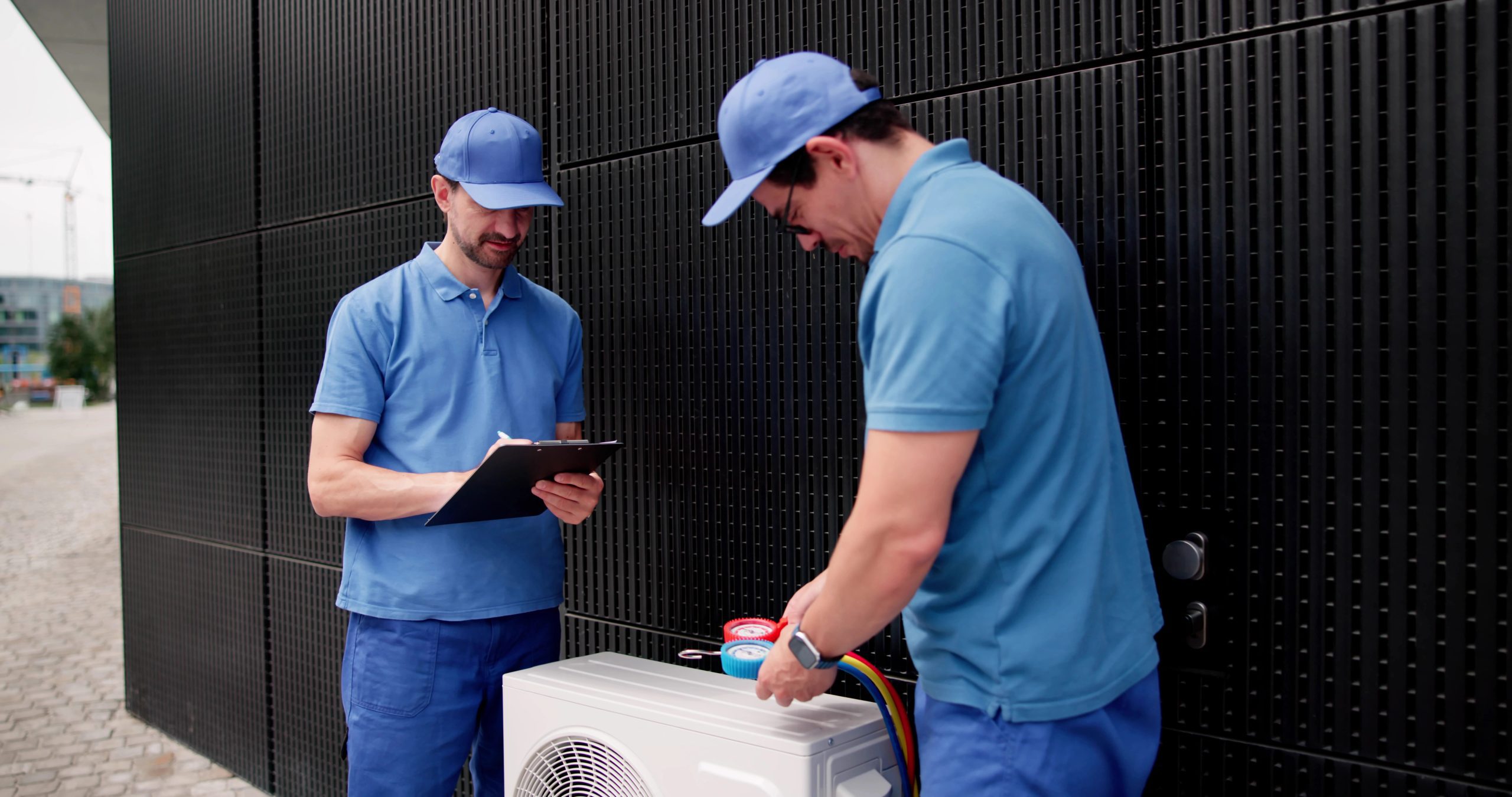
In commercial buildings, the HVAC system is often described as the “hidden heartbeat” of operations. While most employees, tenants, or customers rarely notice it when it’s working, the moment it fails, everything from comfort to productivity suffers. Downtime can grind operations to a halt, increase costs, and even damage reputation. That’s why forward-thinking facility managers are moving away from a reactive, “wait-until-it-breaks” mindset and embracing HVAC service agreements as a strategic investment.
These agreements are more than just maintenance contracts—they’re proactive partnerships designed to ensure system reliability, reduce risk, and keep businesses running smoothly year-round. Let’s explore how they work, what they include, and why they’re critical in a demanding environment like Houston.
Why Reliability Matters in Commercial HVAC
When it comes to commercial properties, system reliability isn’t a luxury—it’s a necessity. Imagine a retail store in the middle of a Houston summer losing its air conditioning during peak hours. Customers won’t linger, employees will struggle in uncomfortable conditions, and every passing hour translates into lost revenue.
Now shift to a healthcare setting: downtime in a hospital’s HVAC system doesn’t just create discomfort; it directly impacts patient safety, equipment performance, and regulatory compliance. Reliability is more than convenience—it’s core to operational continuity and business trust.
Service agreements directly address these challenges by shifting HVAC care from reactive to proactive.
What Is an HVAC Service Agreement?
At its core, an HVAC service agreement is a structured plan between a business and a service provider to keep heating, ventilation, and cooling systems operating at peak performance.
Unlike emergency-only repairs, service agreements build in:
- Preventive maintenance with scheduled inspections, tune-ups, and cleaning.
- Priority emergency response that ensures contracted clients receive faster service.
- Predictable budgeting with fixed rates for inspections and repairs.
- System documentation and compliance support for energy, safety, and environmental regulations.
For Houston businesses, these agreements also mean partnering with a team that understands how local climate conditions—scorching summers, high humidity, and year-round system demand—strain HVAC equipment.
The Hidden Costs of Reactive Maintenance
Many facility managers delay entering into a service agreement because the system “seems fine.” But reactive strategies almost always cost more in the long run.
- Downtime Disruptions: Even a short outage leads to operational chaos, whether it’s employees losing focus, customers walking out, or halted industrial production lines.
- Energy Waste: Systems running inefficiently without proper tune-ups consume significantly more energy. This shows up as higher monthly utility bills.
- Unplanned Repairs: Emergency call-outs often mean higher labor costs, expedited parts orders, and late-night surcharges.
- Shortened Equipment Lifespan: Neglected systems wear down faster, forcing premature replacement.
Service agreements prevent these cascading costs by addressing issues before they spiral.
How Service Agreements Improve System Reliability
So, how exactly do HVAC service agreements translate into dependable, long-lasting performance? Here are the core ways:
- Proactive Maintenance Prevents Failures
Agreements include scheduled inspections and checklists tailored to the building’s needs. Technicians catch issues like clogged filters, worn belts, or refrigerant leaks before they snowball into breakdowns. This reduces the chance of unexpected failures.
- Priority Access Minimizes Downtime
In Houston’s peak seasons, waiting for a technician during a citywide heatwave can take days. Service agreements guarantee priority response, meaning your business skips the long queue and gets service fast.
- Consistent Performance Supports Comfort
Reliability isn’t just about avoiding breakdowns—it’s about steady airflow, even temperatures, and proper humidity control. Service agreements ensure systems stay fine-tuned for consistent comfort.
- Documentation Improves Compliance
Commercial facilities must meet strict ventilation and efficiency standards. Service agreements provide detailed logs of maintenance, ensuring audits and inspections run smoothly.
- Customization Matches Your Business Needs
Every business is different. An industrial plant with chillers requires different maintenance than a multi-tenant office building. Good service agreements are flexible, scaling to facility size, system complexity, and usage intensity.
Industry-Specific Advantages
The impact of HVAC service agreements becomes even clearer when viewed through industry-specific lenses:
- Healthcare: Reliability ensures stable temperatures for patient care, infection control, and sensitive equipment. Agreements also help meet compliance standards for ventilation and air quality.
- Retail: Comfortable environments encourage customers to browse longer and spend more. Downtime during busy hours can directly slash sales.
- Hospitality: Hotels and restaurants depend on seamless climate control for guest satisfaction. Even one failure can lead to poor reviews and reputational harm.
- Industrial Facilities: For manufacturing plants, HVAC downtime halts production, risks spoilage of materials, and jeopardizes worker safety. Agreements ensure uninterrupted processes.
- Corporate Offices: Consistent indoor conditions improve employee focus, morale, and retention, particularly in hybrid workplaces.
By tailoring service contracts to each industry’s pressure points, facility managers gain assurance that HVAC systems won’t derail business continuity.
Technology’s Role in Reliability
Modern HVAC service agreements are no longer just about wrenches and filters—they’re about technology-driven insights. Providers like Lange Mechanical integrate:
- IoT Sensors & Remote Monitoring: Continuous tracking of system performance helps detect anomalies before they cause failures.
- Building Automation Systems (BAS): BAS integration ensures HVAC works in harmony with lighting, security, and energy management.
- Predictive Maintenance Tools: Data analysis forecasts when a component might fail, so it can be replaced before it disrupts operations.
These tools transform service agreements into smarter, future-ready solutions that deliver both reliability and energy savings.
A Practical Approach for Facility Managers
If you’re considering an HVAC service agreement, start with a structured evaluation of your building’s needs:
- Assess how often downtime has disrupted operations in the past year.
- Review your current energy costs and whether they’ve been rising unexpectedly.
- Check compliance requirements for your industry.
- Calculate the potential business impact if the system fails at peak demand.
From there, compare providers based on their local expertise, contract flexibility, and technology integration.
Why Lange Mechanical?
In Houston, few providers bring the experience and depth of Lange Mechanical. With over 40 years serving the region’s toughest commercial environments, Lange designs HVAC service agreements around:
- Proven Preventive Maintenance Programs that extend system life.
- Fast, Priority Emergency Response during peak demand.
- Customized Contracts scaled for offices, hospitals, plants, and retail.
- Integration with BAS to maximize performance and efficiency.
- Decades of Houston-Specific Expertise in handling high humidity and heavy system loads.
For businesses looking to eliminate uncertainty and strengthen reliability, Lange Mechanical is more than a service provider—it’s a trusted partner.
Final Thoughts
HVAC reliability isn’t about avoiding the occasional breakdown; it’s about ensuring that every day, employees, customers, and operations are supported by a system that simply works. Service agreements make this possible, transforming maintenance from an afterthought into a strategic advantage.
By investing in a commercial HVAC service agreement, businesses in Houston safeguard comfort, reduce costs, and maintain uninterrupted productivity—even in the city’s toughest conditions.
If your facility is ready to reduce risk and improve system reliability, consider how a tailored HVAC service agreement can provide peace of mind and long-term value.